

On our first visit to Macau, we took the shuttle to Hotel Lisboa, a landmark anchored right in the heart of Macau. The drive there was a sensory overload—a procession of towering hotels and sprawling casinos that define the city’s skyline.
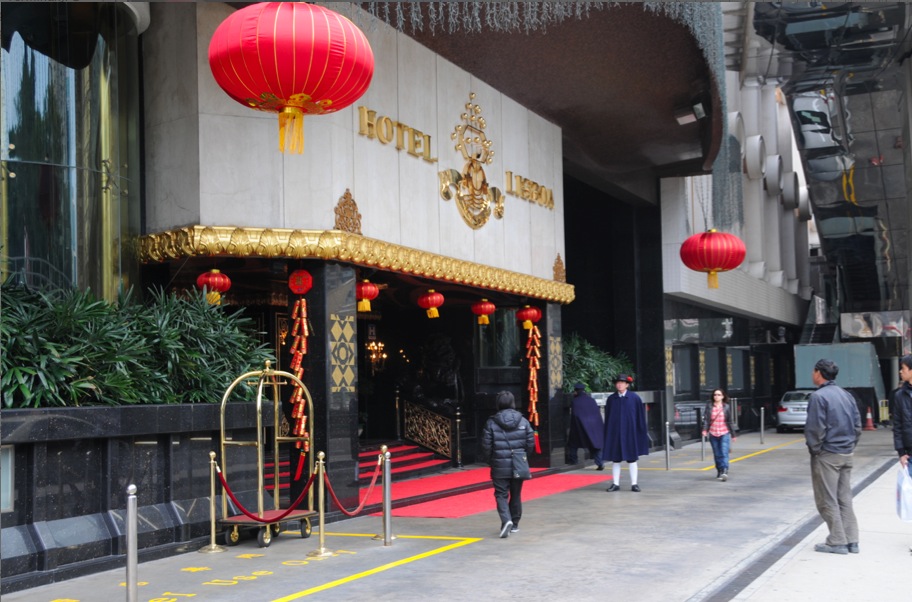
However, the moment we stepped off the bus and ventured behind the Lisboa, the “Casino City” facade vanished. Despite the modern glitter, Macau remains a profoundly Chinese city at its core. We found ourselves wandering through a labyrinth of narrow back alleys, ancient houses, and bustling independent shops.
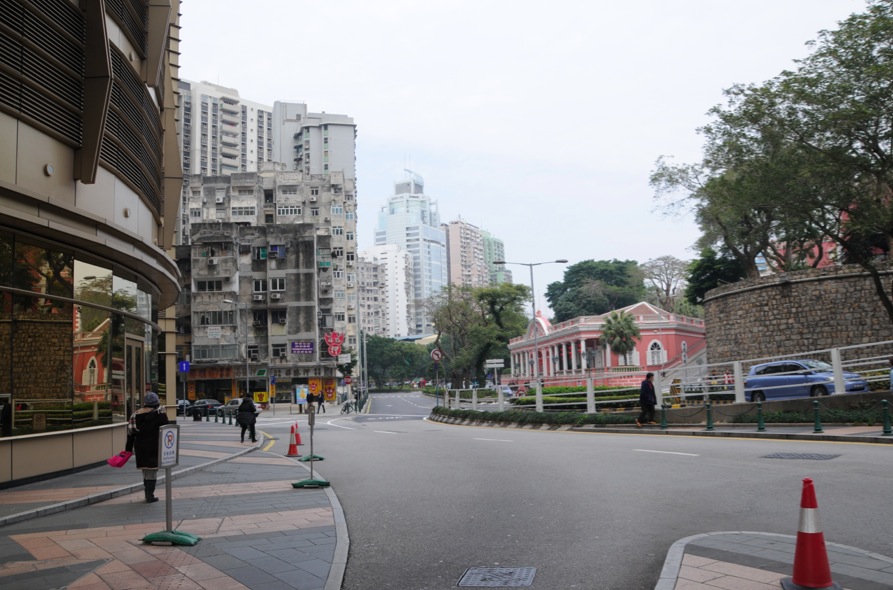
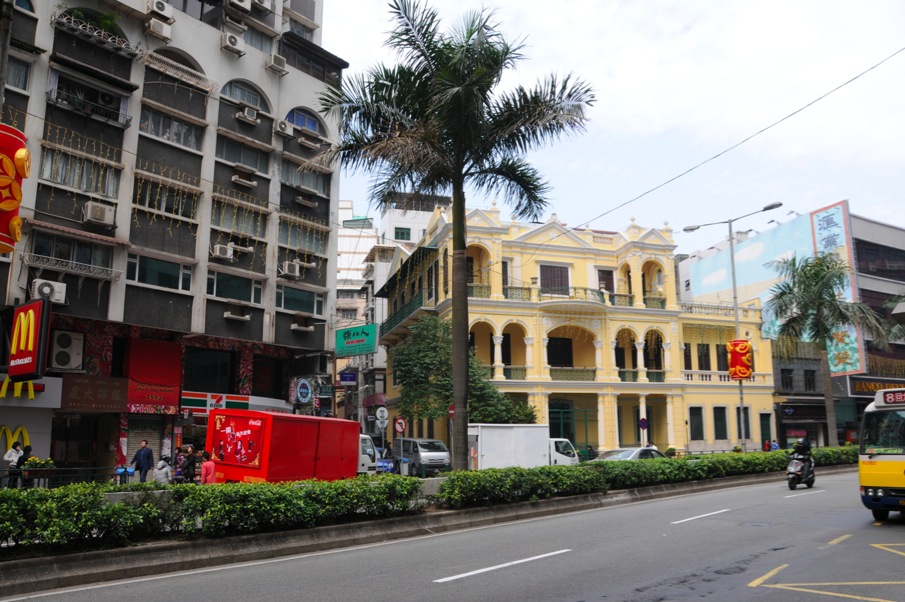
Macau’s history is unique: it was the first and last European colony in China. Settled by Portuguese traders in the 16th century, it remained under Portuguese administration until the handover on December 20, 1999. This heritage is still etched into the city’s DNA.
The architecture is a jarring, yet fascinating, juxtaposition:
- Traditional Chinese structures stand shoulder-to-shoulder with Portuguese historic sites.
- Avant-garde skyscrapers loom over both—some are architectural marvels, while others are, frankly, a bit of an eyesore.
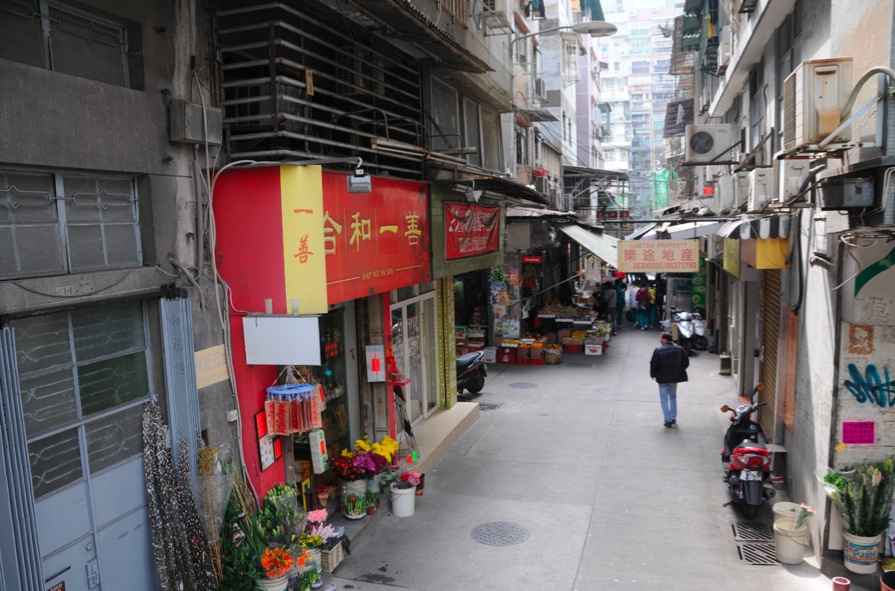
Escaping the typical tourist trails, we headed east into the heart of a residential district. The shift was immediate. Here, the houses are packed tight, many sprouting makeshift additional floors as they climb skyward.
Every flat seemed to boast a balcony, most of them caged in metal grilles and overflowing with laundry. It looked like a giant, open-air communal wardrobe. At street level, the buildings hummed with tiny restaurants and workshops, while the upper floors disappeared into the clouds.

Our zigzagging route eventually led us to the St. Lazarus Church. Like many of Macau’s Portuguese landmarks, it is a burst of color, featuring a charming courtyard filled with swaying palm trees and vibrant flora.

As we crossed the street and continued north, the atmosphere shifted entirely. Suddenly, we weren’t in East Asia anymore; we had stepped into the Mediterranean. The streets were paved with traditional Portuguese cobblestones, flanked by colourful houses and hidden courtyards.

In this neighbourhood, the city’s frantic energy simply evaporated. There were no tourist crowds—just a few local cats sunning themselves on the pavement and residents enjoying the heavy, quiet warmth of the afternoon.

 bluebalu
1 thought on “Macau: First impressions”